Paintastic Valley
Fabric Paint and Acrylic Paint | Paintastic Valley Guide
Fabric Paint and Acrylic Paint | Paintastic Valley Guide
Couldn't load pickup availability
Fabric Paint and Acrylic Paint: A Practical Guide
Choosing paint becomes easier when you understand what your project needs. A canvas displayed on a wall and a fabric bag carried regularly face different conditions. Comparing fabric paint and acrylic paint helps you consider the surface, appearance, flexibility, and care requirements before starting.
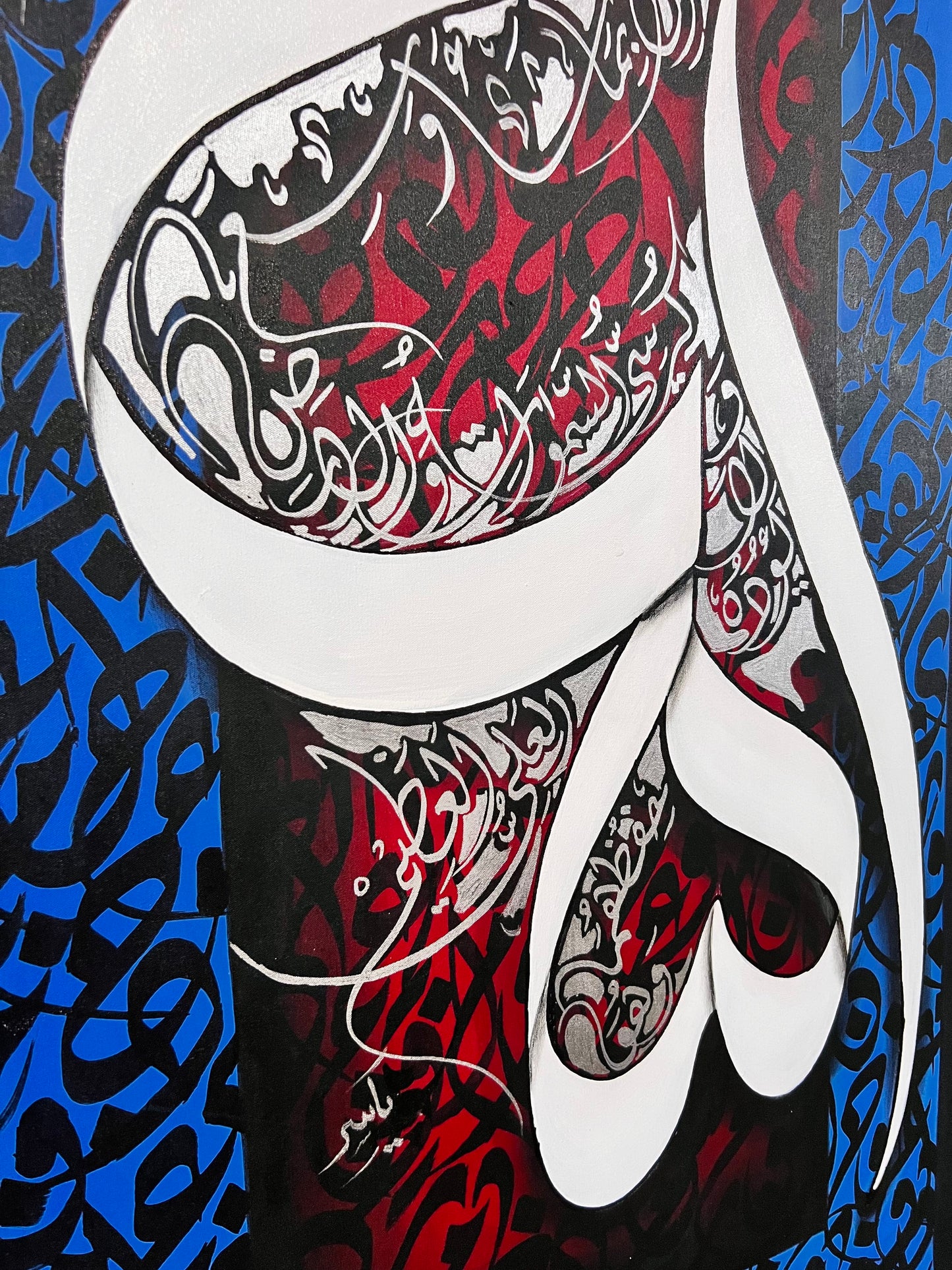
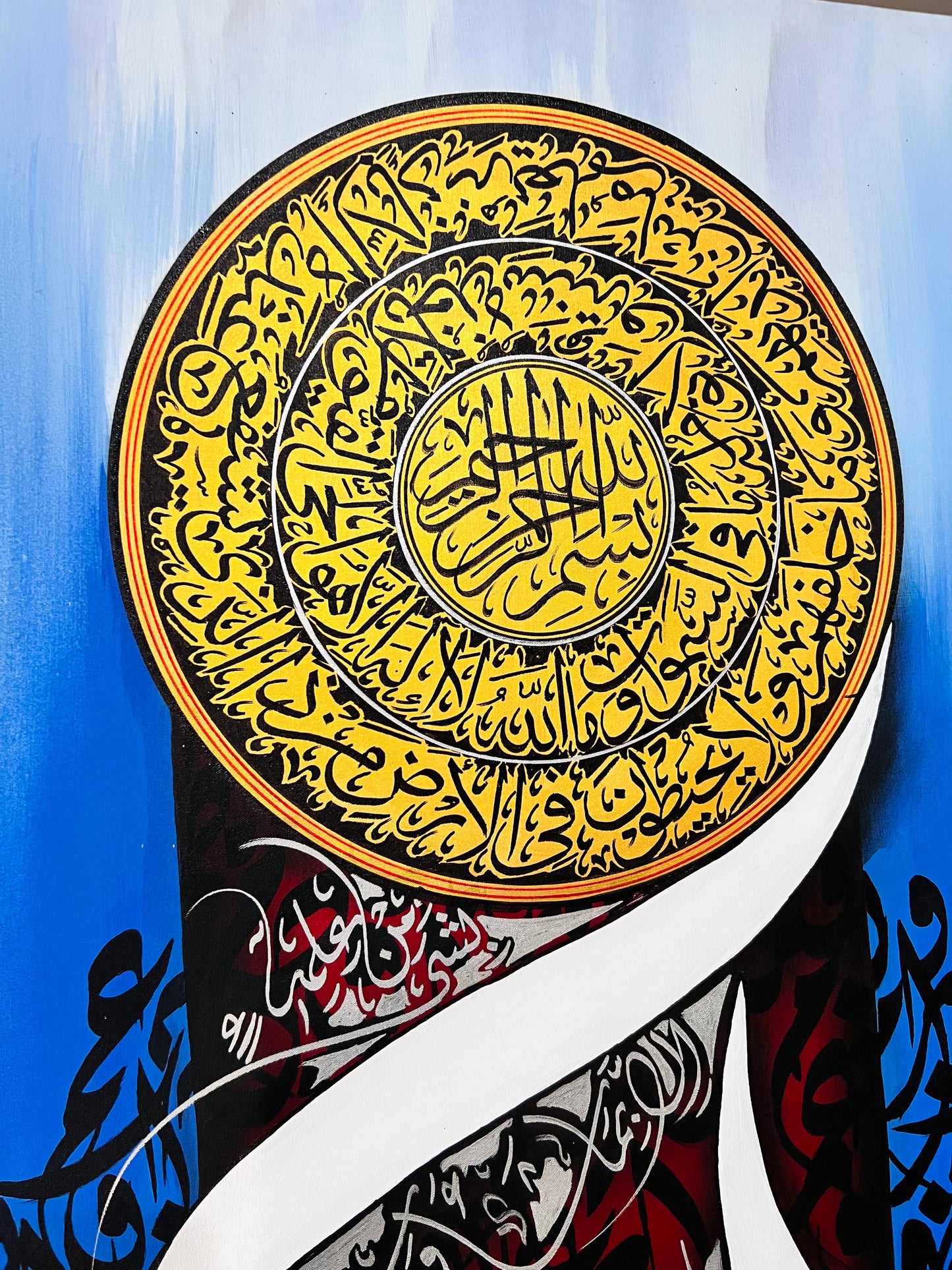
Paintastic Valley brings together an appreciation for artwork and an interest in creative learning. Whether you enjoy calligraphy, abstract compositions, or experimenting with colour, understanding materials gives your ideas a stronger starting point.
Begin with a small project. Read the product instructions, test your colours, and decide how the finished item will be used. These steps help you avoid unnecessary purchases and approach painting with clearer expectations.
Understanding Fabric Paint and Acrylic Paint
What Is Fabric Paint?
Fabric paint is intended for suitable textile applications. Depending on its formulation, it may be used on clothing, bags, or decorative fabric.
The important details include compatible fibres, flexibility, washing instructions, and any required setting process. Check these before painting because different products can have different requirements.
What Is Acrylic Paint?
Artist acrylic paint is commonly used on compatible prepared surfaces, including canvas. Formulations vary in thickness, coverage, and finish.
Some acrylics can be adapted for textile work using a recommended fabric medium. However, ordinary acrylic should not automatically be treated as washable garment paint.
Why the Surface Matters
The choice between fabric paint and acrylic paint depends on how the finished object will behave. Clothing bends and moves, while Paintastic Valley stretched canvas generally remains in position.
Choose materials for those practical conditions rather than selecting only by colour.
Fabric Paint and Acrylic Paint Specifications
Material Comparison
|
Specification |
Fabric Paint |
Artist Acrylic Paint |
|
Application |
Compatible textiles |
Compatible prepared surfaces |
|
Flexibility |
Intended for textile use |
Formula and application dependent |
|
Washing |
Follow product directions |
Do not assume garment washability |
|
Medium |
May already suit fabric |
May require textile medium |
|
Setting |
Product dependent |
Application dependent |
|
Finish |
Varies by formula |
Varies by formula |
|
Preparation |
Follow fabric guidance |
Check surface preparation |
Check the Exact Product
When comparing fabric paint and acrylic paint, review the label rather than assuming every product behaves similarly.
Check opacity, recommended surfaces, drying requirements, and care instructions. A colour that covers a light background well may appear different on dark material.
Test Before Committing
Paint a matching sample where possible. Examine the colour, edges, texture, and flexibility after completing the recommended finishing process.
For washable projects, test the sample through the instructed care routine before decorating the finished item.
Preparing Your Painting Project
Preparing Fabric
Follow the manufacturer’s preparation guidance. This may include washing the fabric before painting. Smooth the material appropriately and work on a stable surface.
Place a protective barrier beneath the painted section if colour could pass through to another layer. Keep the fabric positioned without stretching it excessively.
Preparing Canvas
Confirm whether your canvas is suitable for the selected acrylic paint. Follow the surface instructions if additional preparation is required.
For a modern art painting, begin with a simple sketch and limited colours. Decide where the main shapes will sit before adding smaller details.
Applying Paint Gradually
Build your design in controlled stages. Practise brush pressure and consistency on a spare surface before painting an important section.
Follow the recommended time between applications. Avoid adding thick layers simply to cover uncertainty about the design.
Practical Tips for Better Results
Planning with fabric paint and acrylic paint becomes more manageable when you follow a few consistent habits:
- Identify whether the item will be worn, washed, or displayed.
- Confirm compatibility between paint, medium, and surface.
- Test unfamiliar colours before starting.
- Follow drying and setting instructions.
- Keep notes about successful mixtures.
- Save the care guidance for the finished piece.
Water should not automatically replace a recommended textile medium.
Example: A Canvas and Fabric Bag
Imagine painting the same geometric pattern on a small canvas and a fabric bag.
For the canvas, choose acrylic compatible with its prepared surface. For the bag, select suitable textile paint or an approved acrylic and fabric medium combination.
Although the design remains similar, fabric paint and acrylic paint may need different preparation and finishing methods. Test each separately before completing both projects.
Frequently Asked Questions
Are Both Paint Types Identical?
No. Some formulations overlap, but their intended surfaces and care requirements can differ.
Can Acrylic Be Used on Clothes?
Check the manufacturer’s guidance. A compatible textile medium may be necessary.
Does Fabric Paint Require Heat Setting?
Some products do. Follow the exact instructions and the fabric’s care limits.
Can Water Replace Fabric Medium?
Do not assume so. Use the manufacturer’s recommended method.
Which Paint Suits Canvas?
Choose an acrylic formulation compatible with the canvas and your intended technique.
Where Can Beginners Find Classes?
If searching for an institute near me, compare subjects, schedules, and beginner support.
Can I Learn Calligraphy?
For calligraphy learning near me, enquire about current Paintastic Valley teaching options.
Start with the Right Materials
Understanding fabric paint and acrylic paint helps you plan around your chosen surface. Test first, follow instructions, and build skills through manageable projects.
Share